
"amino acids"
400 article(s) found

Detailed analysis of the ingredients of coffee beans general knowledge of fine coffee
Moisture: the water content of coffee beans varies greatly with different processing stages and products. The moisture content of wet coffee beans with film is about 50%, while that of dried raw coffee beans is about 10%-13%. The water content of roasted coffee beans is only less than 5%. The existence of water in coffee beans is the same as other kinds of food and beverages, because it contains a considerable amount of hydration colloid macromolecules.

How many stages are there in coffee roasting on Starbucks' official website?
How many stages are there in coffee roasting on Starbucks' official website? Preheating stage: the bean roaster needs to be heated to a certain extent before baking, which will be different because of the bean roasting mechanism. It is necessary to fully heat the pot to a certain temperature before it can drop the beans. There is no certain criterion for this temperature. It depends on the degree of relationship between the bean roaster and the bean roaster to determine the steaming stage: when the bean is roasted, the coffee begins to be roasted.

How many flavors are there in coffee beans? explore the secret of the aroma of coffee beans
Professional coffee knowledge exchange more coffee bean information please follow the coffee workshop (Wechat official account cafe_style) front street-coffee flavor, aroma introduction 1. In fact, the complex aroma is related to the chemical composition of raw beans. Compounds that produce different aromas will be present in different concentrations in raw beans, including variety, climate of origin, fruit maturity, treatment, etc.
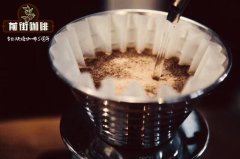
How does the aroma of coffee come out? the strong aroma of coffee beans is fried just right.
Professional coffee knowledge exchange more coffee bean information please follow the coffee workshop (Wechat official account cafe_style) front street-coffee aroma source introduction 1 caramel reaction the sugar in coffee beans caramel reaction at about 170 to 200 ℃, which is exactly the melting point of sucrose [185 ℃], the temperature of the explosion stage when coffee beans are roasted. The product of caramel reaction is divided into two parts: the dehydration of a sugar.

Reasons why tea beats coffee
Tea leaves have always left a good impression in people's minds. The chemical composition of tea is composed of 3.5-7.0% inorganic matter and 93 - 96.5% organic matter. There are about 27 kinds of inorganic mineral elements in tea, including phosphorus, potassium, sulfur, magnesium, manganese, fluorine, aluminum, calcium, sodium, iron, copper, zinc, selenium and so on.

Detailed analysis of carbohydrates in coffee beans
★ moisture: the water content of coffee beans varies greatly with different processing stages and products. The moisture content of wet coffee beans with film is about 50%, while that of dried raw coffee beans is about 10%-13%, and that of roasted coffee beans is only less than 5%. The existence of water in coffee beans is the same as other kinds of food and beverages, because it contains a considerable amount of hydration colloid macromolecules.
What is the difference between tea and coffee extracted by the same plant after roasting?
Pu'er Tea [Photo: Vicky Wasik] the main difference between where I keep my tea set and where my coffee equipment is located is scale. My coffee cabinet is constantly filled with products-ceramic cones, various grinders, Danish immersed neoprene pans and so on. On the other hand, there are only three tea sets in my tea drawer-one glass jar with a filter, one
11 reasons why tea beats coffee
Tea leaves have always left a good impression in people's minds. The chemical composition of tea is composed of 3.5-7.0% inorganic matter and 93 - 96.5% organic matter. There are about 27 kinds of inorganic mineral elements in tea, including phosphorus, potassium, sulfur, magnesium, manganese, fluorine, aluminum, calcium, sodium, iron, copper, zinc, selenium and so on. in tea
Detailed Analysis of the components of Fine Coffee
★ moisture: the water content of coffee beans varies greatly with different processing stages and products. The moisture content of wet coffee beans with film is about 50%, while that of dried raw coffee beans is about 10%-13%, and that of roasted coffee beans is only less than 5%. The existence of water in coffee beans is the same as other kinds of food and beverages, because it contains a considerable amount of hydration colloid macromolecules.

Drinking coffee can cause cancer?! Potato chips shake their heads after listening to them!
"Coffee causes cancer! The darker the coffee beans are, the higher the acrylamide content will be! " Recently, after reading a push in the family group, the code clerk was silent. First of all, regardless of whether there will be acrylamide in coffee beans after roasting, from the point of view of this substance, it cannot be said that as long as acrylamide is ingested.
Detailed Analysis of the components of Fine Coffee Bean
★ moisture: the water content of coffee beans varies greatly with different processing stages and products. The moisture content of wet coffee beans with film is about 50%, while that of dried raw coffee beans is about 10%-13%, and that of roasted coffee beans is only less than 5%. The existence of water in coffee beans is the same as other kinds of food and beverages, because it contains a considerable amount of hydration colloid macromolecules.
What's the difference between the extraction of coffee and tea? why is coffee ground tea but directly soaked?
Pu'er Tea [Photo: Vicky Wasik] the main difference between where I keep my tea set and where my coffee equipment is located is scale. My coffee cabinet is constantly filled with products-ceramic cones, various grinders, Danish immersed neoprene pans and so on. On the other hand, there are only three tea sets in my tea drawer-one glass jar with a filter, one

What is the reason that the tea is too light or bitter? What is the harm of brewing tea too many times?
Have you ever picked up your gaiwan, picked out your favorite tea, brewed it, only to find that it didn't taste as good as you remembered? Or have you forgotten that it is too bitter now? In any case, we have got some skills to improve the taste, so let's take a look at the following questions!
Knowledge of high-quality coffee beans detailed analysis of the components of coffee beans
★ moisture: the water content of coffee beans varies greatly with different processing stages and products. The moisture content of wet coffee beans with film is about 50%, while that of dried raw coffee beans is about 10%-13%, and that of roasted coffee beans is only less than 5%. The existence of water in coffee beans is the same as other kinds of food and beverages, because it contains a considerable amount of hydration colloid macromolecules.

Detailed analysis of the ingredients of coffee beans what are the ingredients in a coffee bean?
★ moisture: the water content of coffee beans varies greatly with different processing stages and products. The moisture content of wet coffee beans with film is about 50%, while that of dried raw coffee beans is about 10%-13%, and that of roasted coffee beans is only less than 5%. The existence of water in coffee beans is the same as other kinds of food and beverages, because it contains a considerable amount of hydration colloid macromolecules.
How do you analyze coffee's chemical composition to predict flavor, aroma and quality?
Professional coffee knowledge exchange More coffee bean information Please pay attention to the coffee workshop (Weixin Official Accounts cafe_style) There are many factors that affect the flavor of coffee: variety, roasting degree, brewing formula, processing method, etc., but when you look deeper, you will find that flavor depends on only one thing: the composition of compounds. Coffee roasting method, coffee variety, species

Why does coffee smell so good? Why is the aroma so strong when grinding coffee?
Caramel reaction once ordered a cup of Guatemala-Huehuetenango near the Kaohsiung Cultural Center and spent a beautiful afternoon with "my Adventure" (My Life As An Explorer by Sven Hedin). After drinking coffee, I accidentally found that the dry coffee stains at the bottom of the cup were arranged into interesting patterns, so I picked it up to see if I could see the next issue.

Why doesn't the coffee smell good? Decrypt the secret of coffee aroma!
Professional barista communication Please pay attention to the coffee workshop (Wechat official account cafe_style) Coffee smells good, but it doesn't taste like that? Coffee, the most fragrant drink in the world, it is no exaggeration to say that coffee is the most fragrant drink in the human world. At present, there are more than 800 kinds of aromatic compounds that have been studied by scientists, most of which are volatile.
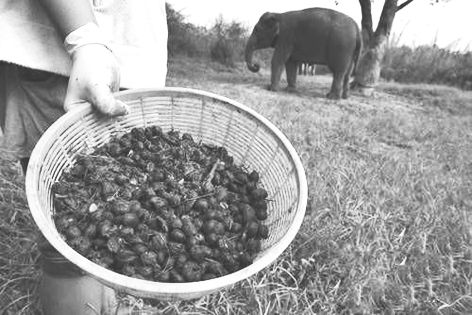
Do cat poop and elephant shit coffee really taste good?
I'm afraid many people are no stranger to coffee, but do you know Kopi Luwak and shit-like coffee? What are their peculiarities? What's the difference in taste? (source: China Science News) Kopi Luwak refers to the raw coffee beans excreted by civets after eating fresh coffee beans and digesting the peel and flesh of coffee berries through their intestines. Freshly picked coffee beans from the outside to

Use a siphon pot to make delicious coffee Japanese coffee siphon single Japanese coffee utensils
(1) Caramelization: the sugar in coffee beans is caramelized at about 170-200 ℃, which is exactly the melting point of sucrose (185 ℃) and the temperature of the explosion stage when coffee beans are roasted. The product of caramelization is divided into two parts: 1. The dehydration product of sugar is caramel or sauce 2. The pyrolysis products are mainly volatile aldehydes and ketones. In general, in the caramelization reaction